
What is Reverberation Time?
Reverberation Time, or RT60, is the time required for sound to decay or fade away in an enclosed area. RT60 is also the measurement of time required for sound reflection to lose its energy.
When a sound of 100 decibels propagates in a room or space and it takes 5 seconds to reduce the original sound level to 40 decibels, that five seconds is considered to be the reverberation time of that room or space.
Reverberation Time of Different Spaces
Different reverberation times are appropriate for different rooms or spaces, depending on how the enclosed space is used. A worship center or performance venue may need a longer reverberation time to achieve a melodic sound register that's pleasing to the ear, while offices or classrooms require a shorter reverberation time for speech intelligibility and clarity.
Here are some common reverberation times for different rooms or spaces:
- Auditoriums: 1.5 seconds
- Cafeterias: 1 – 1.5 seconds
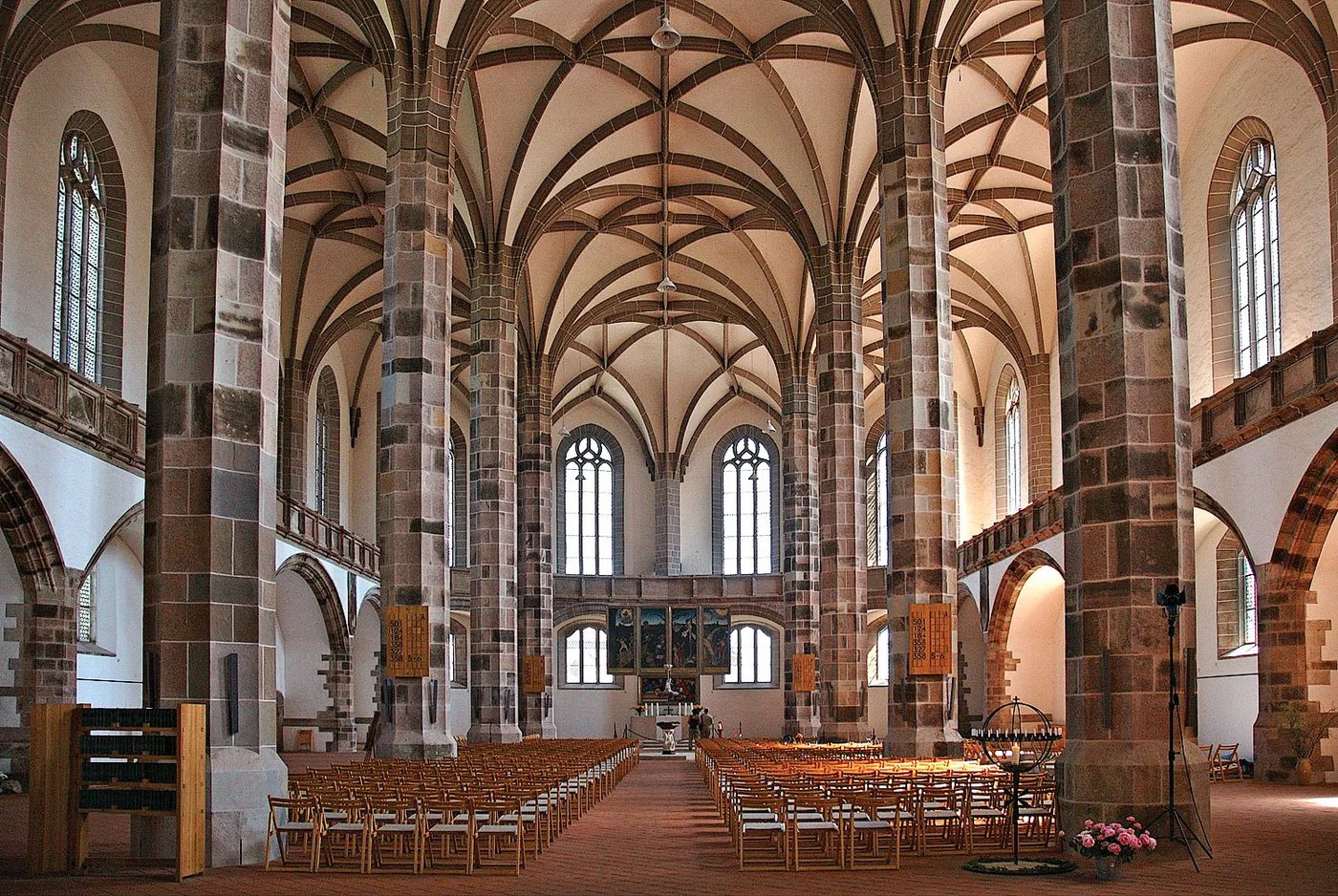
- Church / Worship Centers: 1.5 – 2 seconds
- Classrooms and Lecture Halls: 0.6 seconds
- Conference Rooms: 0.7 seconds
- Hotel Guestrooms: 0.6 seconds
- Meeting Rooms: 0.6 seconds
- Music Room, Studio Room, Recording Room: 0.3 seconds
- Office Spaces: 0.4 – 0.7 seconds
- Restaurants: 0.8 – 1 second
- Retail Spaces: 0.8 seconds
- Theater / Concert Halls: 1.25 – 2 seconds
Reverberation Time Characteristics
| RT60 | Rating | Details |
|---|---|---|
| < 0.8 s | Excellent | Good for speaking — speech is well understood. |
| 0.8 – 1 s | Good | Speech is still clear, with a little room for music. |
| 1 – 1.5 s | Fair | Good for music and general conversation. |
| 1.5 – 3 s | Poor | Better suited to music; speech loses articulation. |
| > 3 s | Very Poor | Typical of large cathedrals and theaters — speech becomes unrecognizable. |