
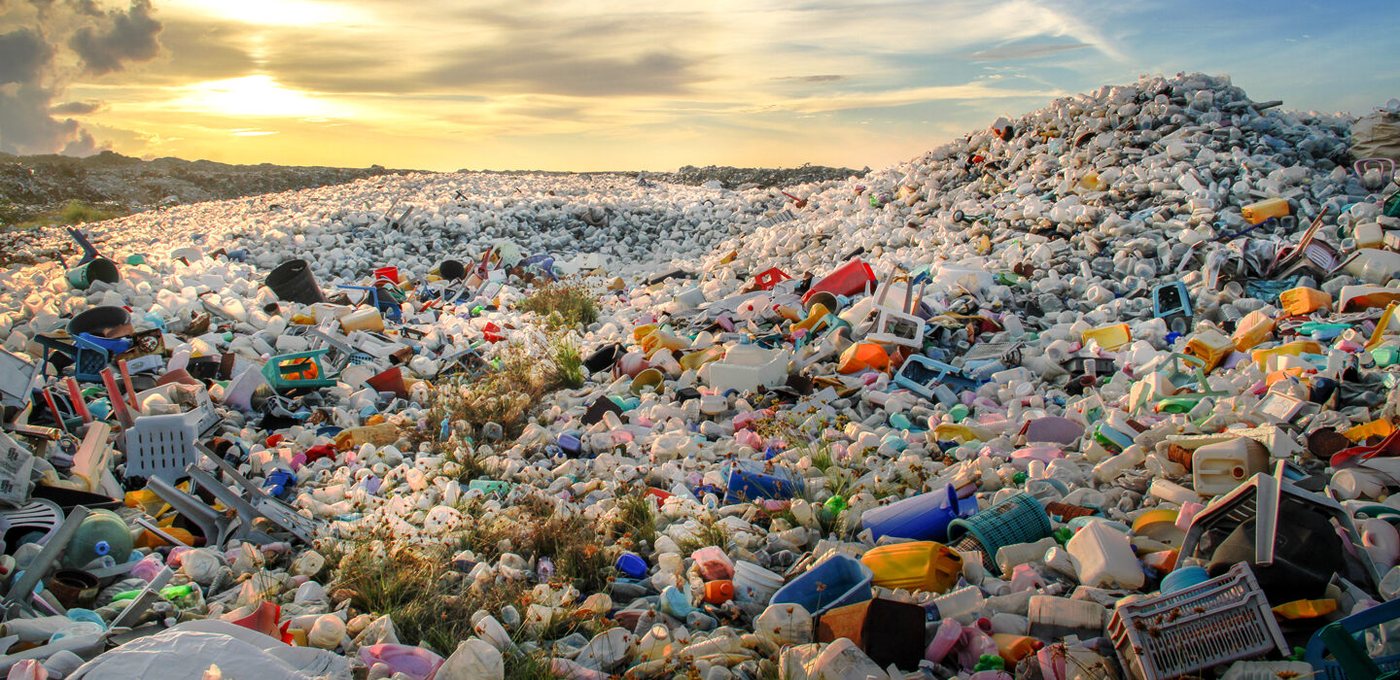
A Growing Plastic Problem
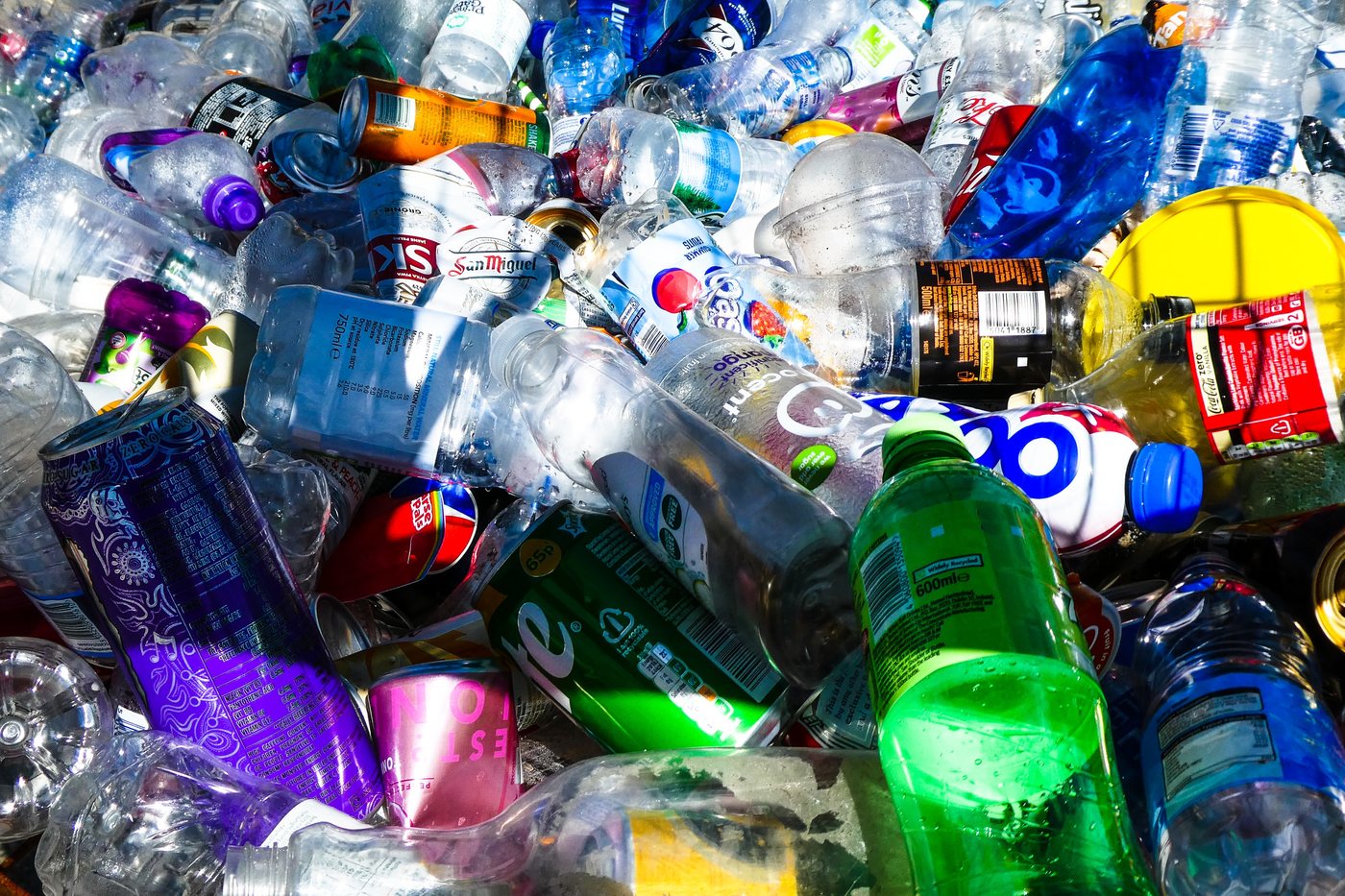
When the PET bottle was patented in 1973, the beverage industry was revolutionized, and it completely changed the game. From glass bottles, steel, and aluminum, people could suddenly enjoy almost every beverage they wanted in a compact, lightweight, and cheap plastic container.
This caused an enormous increase in bottled water sales. In fact, in the US alone, bottled water sales outsold carbonated drinks for a fifth year in a row in 2020, with 4.7% growth reaching $36.3 billion worth of industry, according to the Beverage Marketing Corporation.
The increase in bottled water sales only means the volume of PET bottles being manufactured is steadily increasing each year as well. This has become a major environmental problem. It's estimated that around 500 billion plastic bottles are used every year worldwide, and only a small percentage of that is recycled — most plastic bottles end up in landfills, blocking drainage and sewer systems, or worse, in our seas and oceans.
It can take up to 450 years before a plastic bottle decomposes, and if we continue on our current path with these plastic bottles, the world will be filled with plastic waste long before we even realize it.
From Waste to Acoustic Material
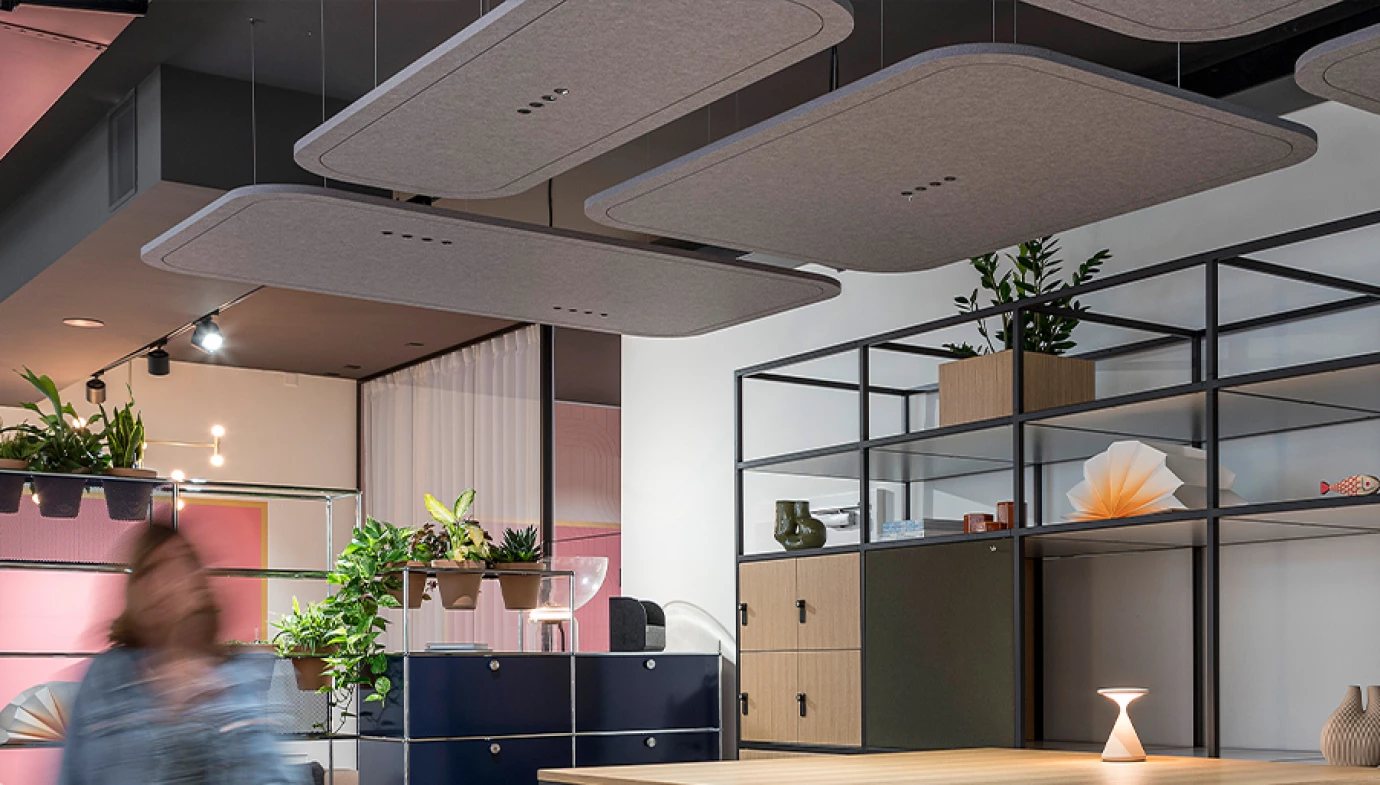
The good thing about PET bottles is that they are recyclable. Governments are making efforts to reuse and repurpose this plastic waste — through infinite recycling waste technology, classroom chairs made completely from plastic, recycled plastic roads, and even holding beverage companies and bottle manufacturers accountable for the environmental damage caused by plastic waste.

Private companies are also revolutionizing the recycling of PET bottles, turning them into aesthetically pleasing, high-performing acoustic products. Many building material manufacturers are contributing revolutionary steps by making products that address problems in architectural building acoustics.
Let's continue making sure that PET bottles are recycled properly and don't end up in our landfills and bodies of water. The wonders they did for the beverage industry can also be achieved for the construction industry through innovative upcycling and continuous support.