
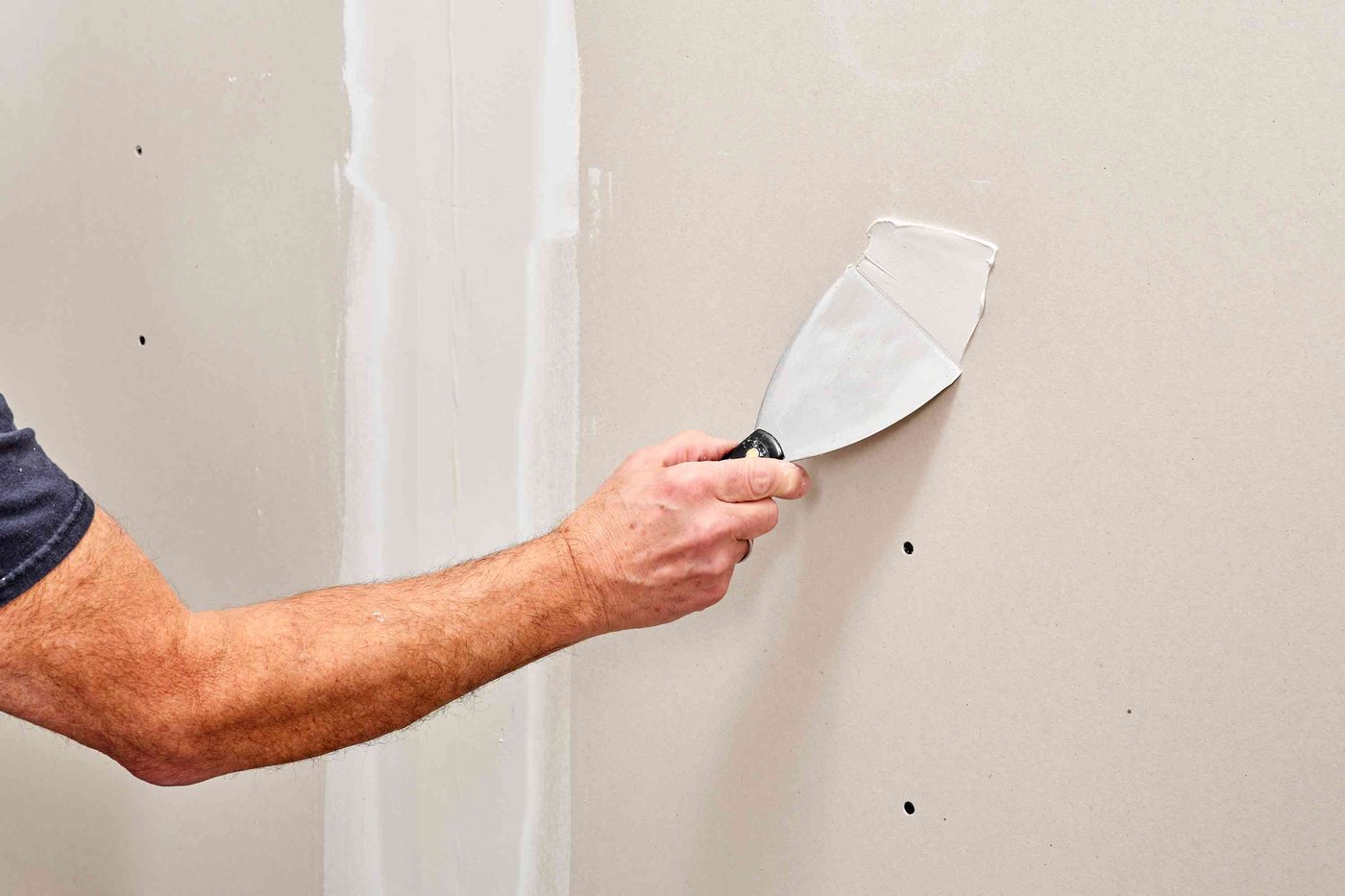
Noise is becoming a major concern in many places. Some researchers say that noise has a direct impact on your well-being and work productivity. You probably want an acoustic upgrade in your office, retail space, personal room, or even in a new project that will be built. However, the limitation of space is a major consideration that must be equally addressed. What are the things you can do to solve acoustic problems without losing so much building space?
1. Integrate Insulating Materials on Your Wall Construction
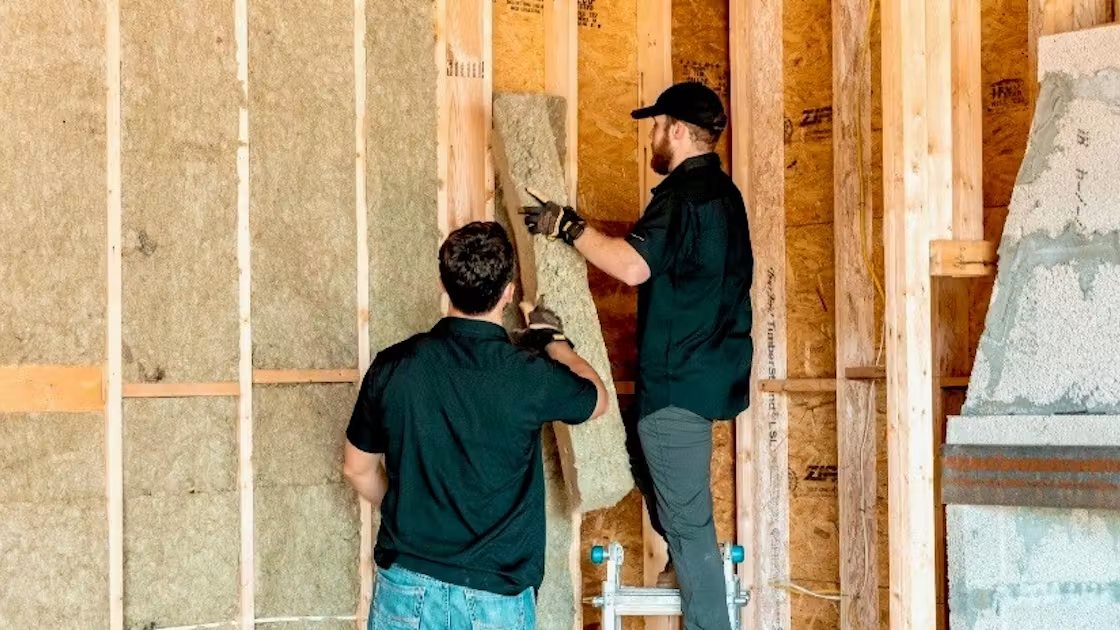
One of first thing you can do in order to achieve a good building and room acoustics is to make sure that good insulating materials are integrated on the wall construction. These insulating materials will act as vibration absorbers that will improve the overall quality of the acoustic performance in a room/space. Some of these insulating materials are in the form of rockwool and other fibrous materials. You can also use fiberglass as this have much more complex fibers and is much denser than conventional rockwools.
2. Use Drywall Partitions rather than Conventional Masonry
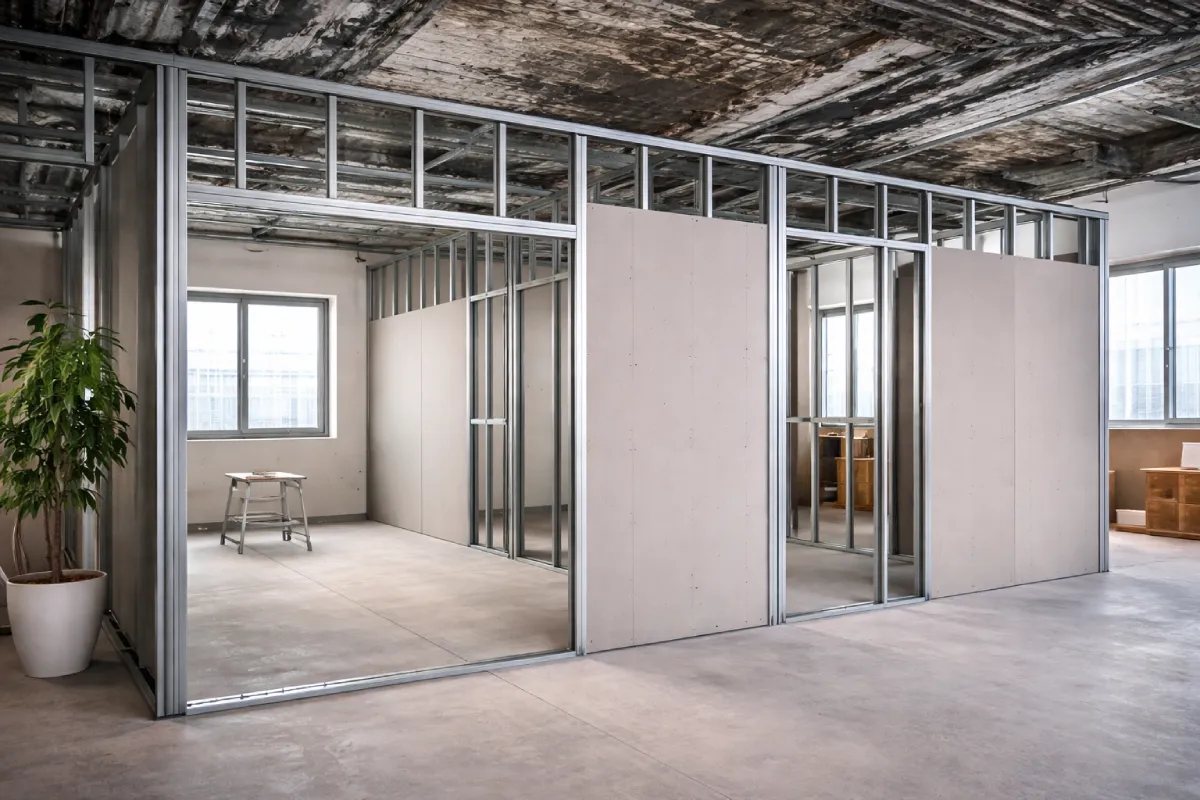
The difference between drywall partition and a typical masonry wall is the choice of material. Masonry often uses concrete or bricks for construction while drywall uses different kinds of building materials such as gypsum board, fiber cement, framing, and insulations. Although typical masonry walls are cheap however drywall systems can give you much lighter load and better room acoustics.
3. Integrate Operable Wall Partitions on Room Spaces
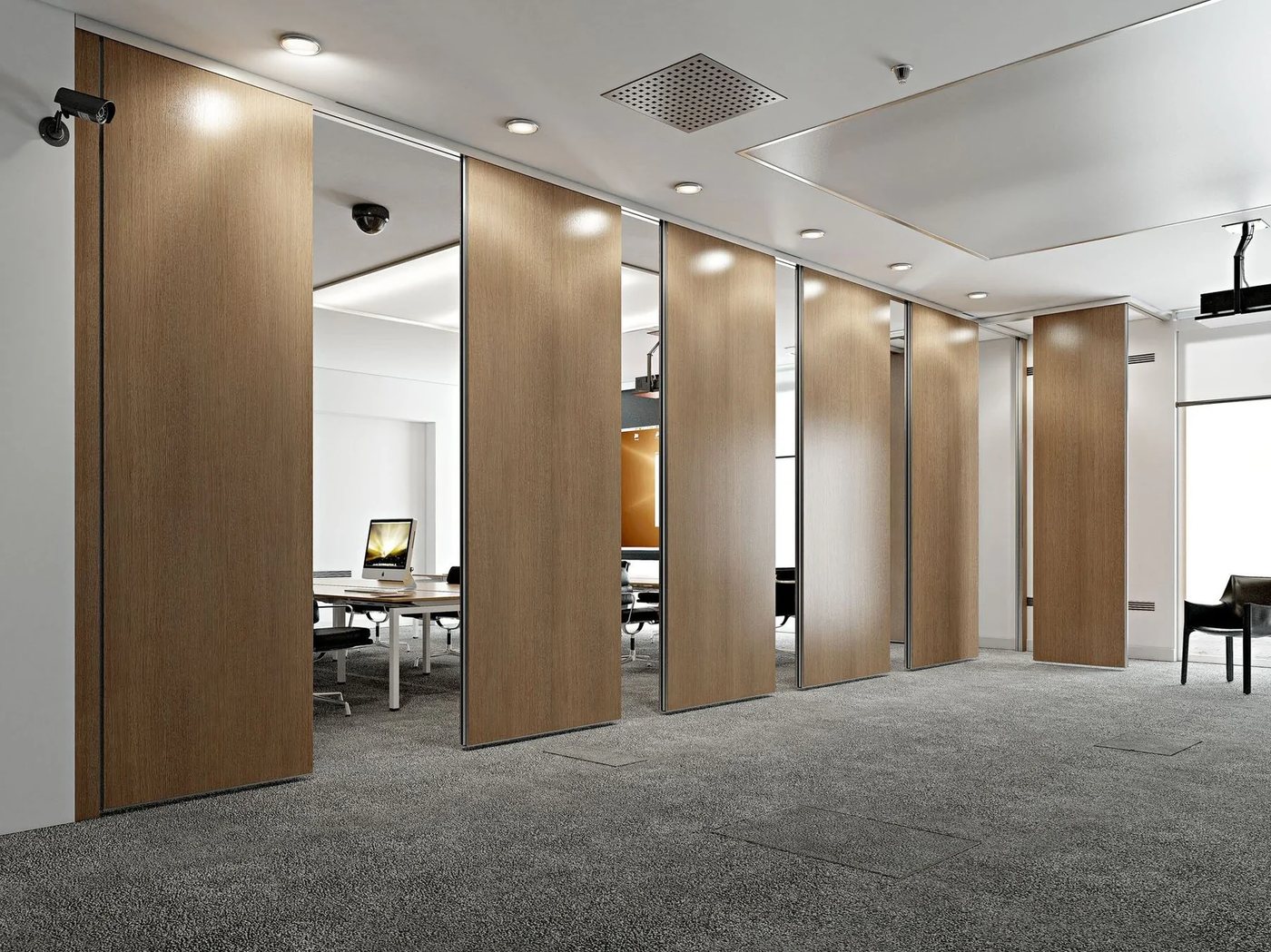
If you want a dynamic and flexible room where you can change the setup depending on the intended function, installing Operable Partitions is a great choice. Operable Partition walls are proprietary constructed walls than can be operated or maneuvered to form a room partition. These walls are commonly made up of drywalls and hence it provides good room acoustics as well.
4. Wall Panels with high absorptive rating
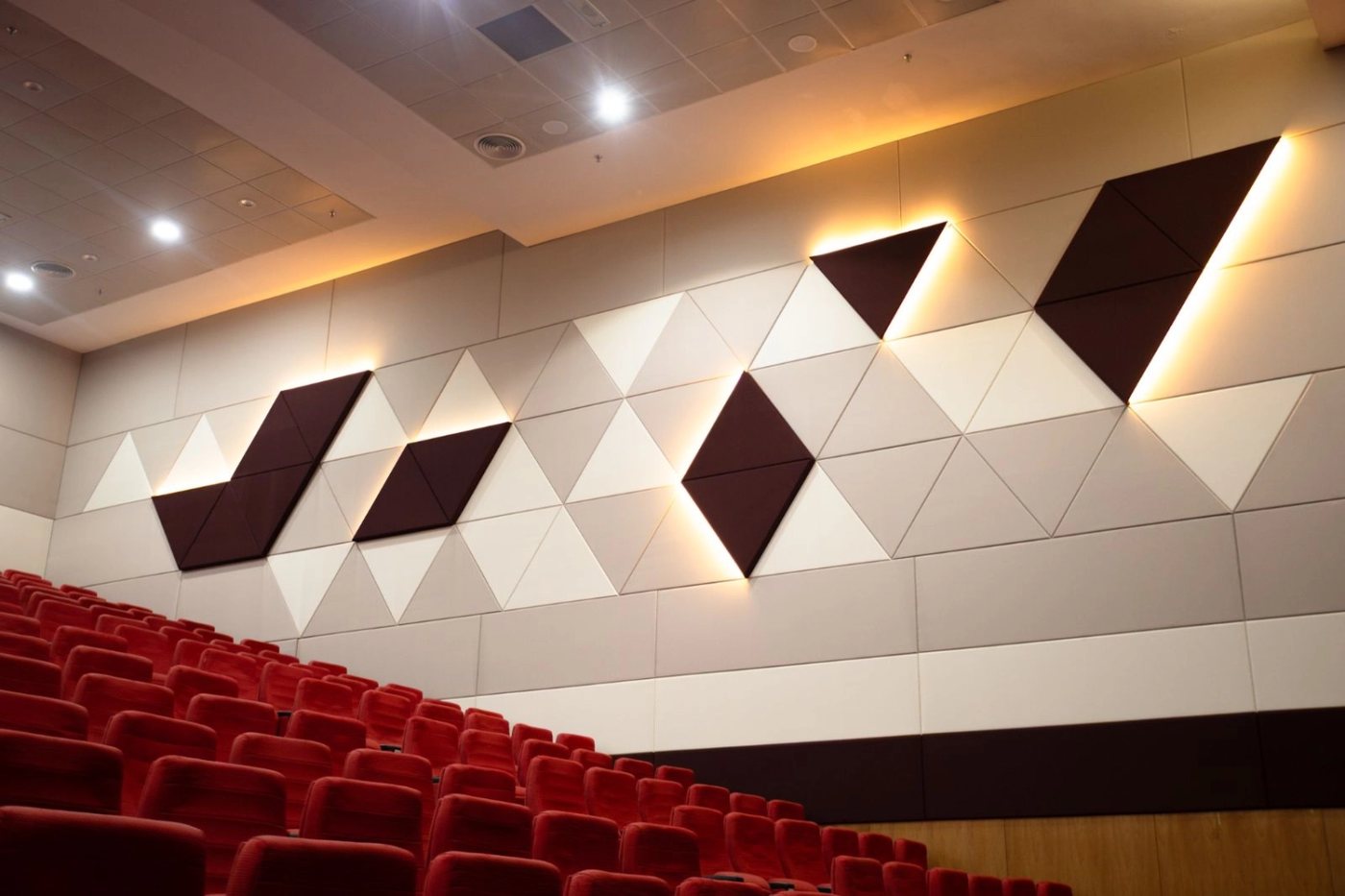
If you want to control the reverberation time of your room, you can use wall panels with high absorptive indexes. These wall panels will greatly reduce the amount of time the sound lingers and thus creating a much more intelligible and well-sounded room/space. You can use wall panels with NRC ratings of more than 0.70 or αw ratings with more than 0.65.
5. Acoustic Fabric Panels
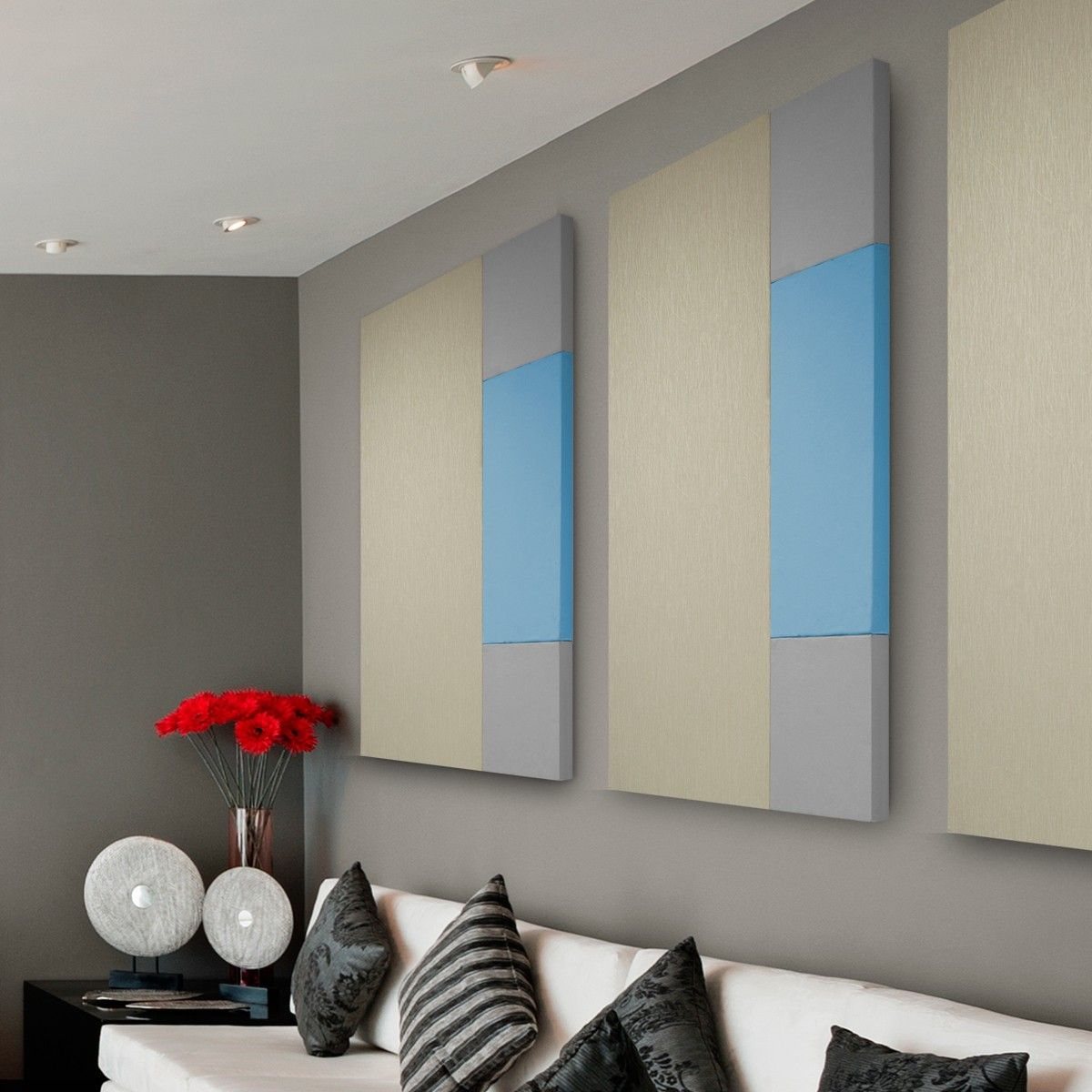
Acoustic fabric panels work in the same sense with wall panels with high absorption. Acoustic fabric panels are inherently high absorptive materials and are commonly used in music rooms, recording studios, and broadcasting.
6. Acoustic Lighting
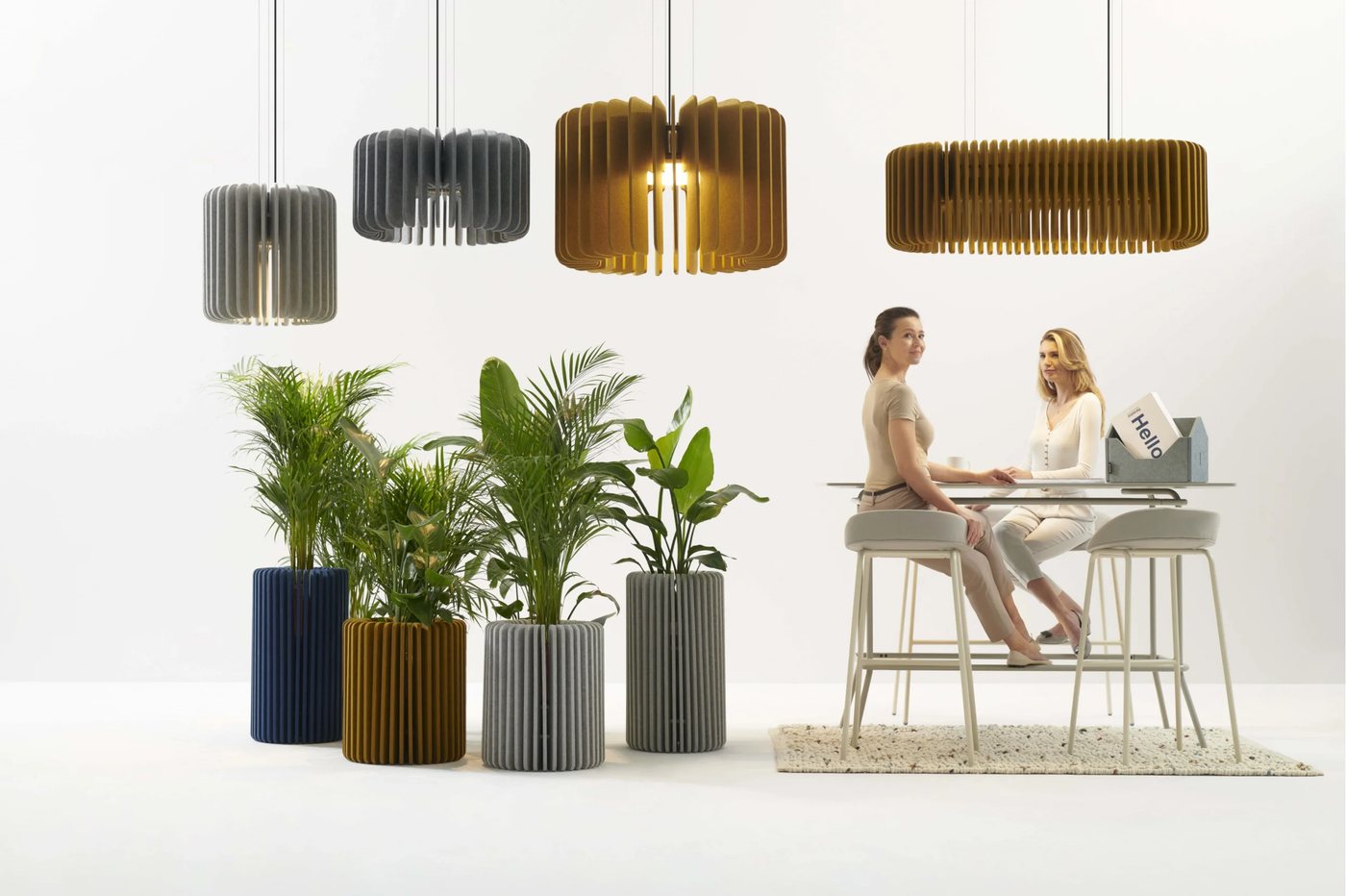
These days, the art of acoustics is being integrated to other trades such as lighting control. Some of furniture manufacturers are integrating high absorptive materials in their lighting systems in order to produce an innovative product that caters better illumination and acoustics.
7. Soundproof Wallpapers
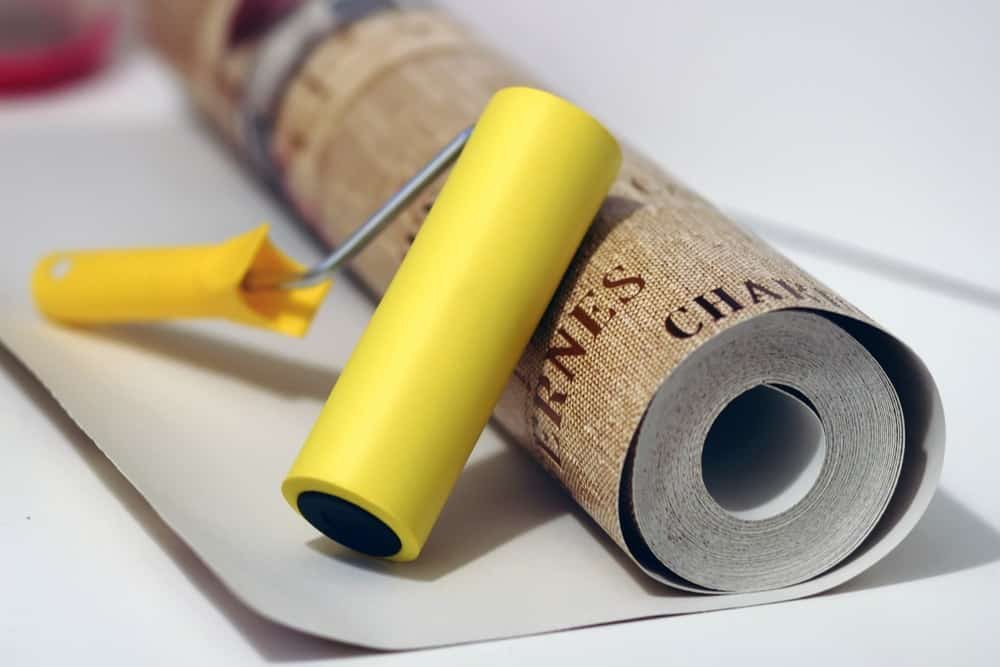
If the walls of your room are already built, you can consider the use of Soundproof Wallpapers in order to increase its sound insulation properties. These soundproof wallpapers have several layers on it like acoustic foam etc., and with a beautiful print design on soundproof wallpapers, it can offer both good aesthetics and acoustic performance.
8. Bass Traps
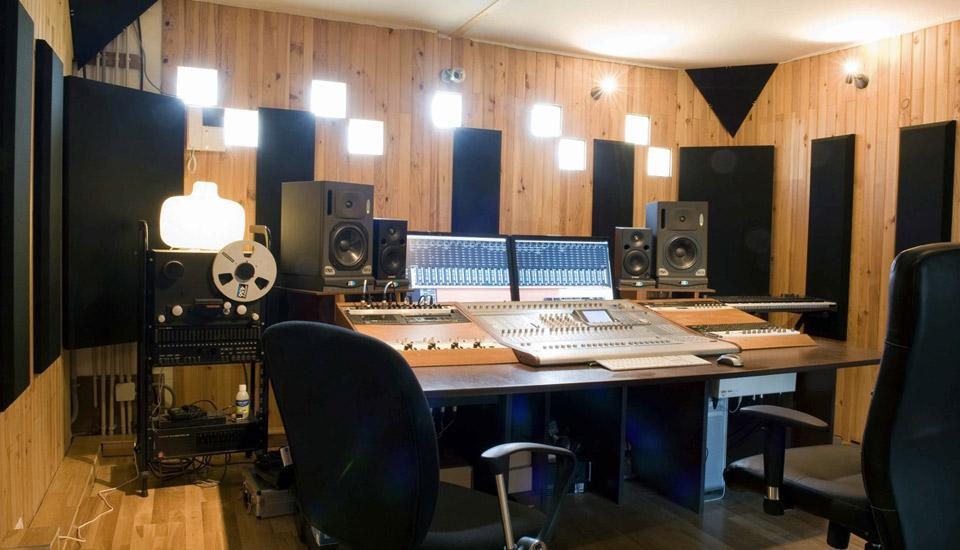
Bass traps are acoustic energy absorbers designed to contain noises in the lower end of frequency. When your room is somewhat exposed to sound system, typically the sound reflects and bounce inside the room. Bass traps reduces the echo produced by these sound reflections and act as a resistance and insulation for proper sound flow.
9. Acoustic Curtains/Draperies
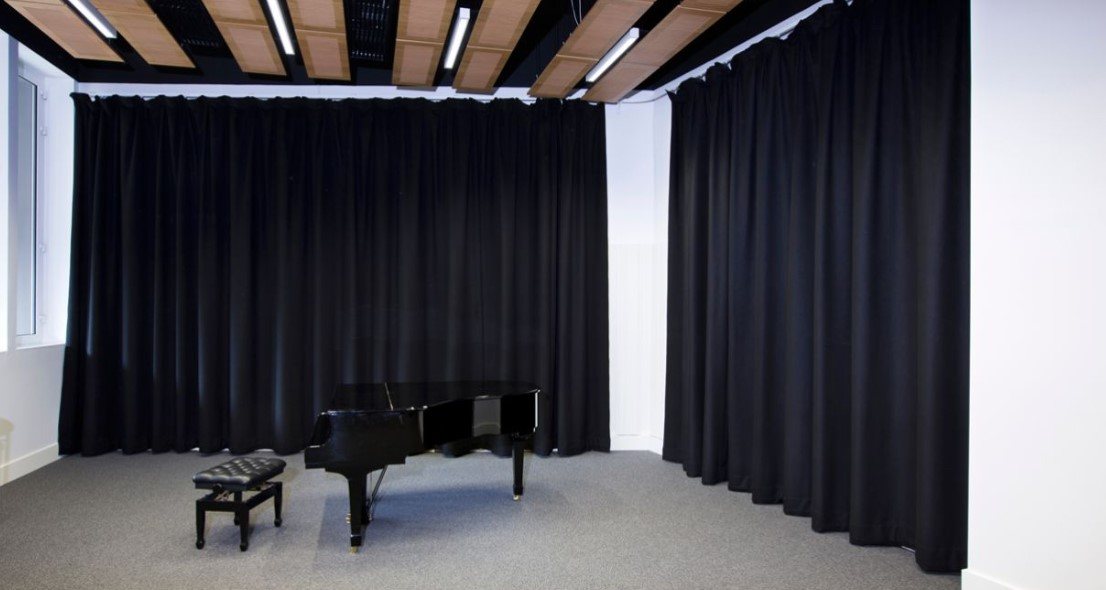
Acoustic Curtains/Draperies can also improve the acoustic performance in your room. These products act as dampening materials for airborne sound thus reducing the sound level of any noise penetration in a room. These acoustic curtains/draperies also offer good interior design aesthetics which compliments whatever room theme you have.
10. Seek Professional Advice/Service

If you are having a hard time of choosing the right acoustic treatment for your project, you can always seek professional advice or service in order to determine the right products that will fit and improve the acoustic performance of a room/space. They can also provide you the best option there is in the market and possibly reduce the cost to optimal levels without sacrificing the quality performance. Acousticians and Acoustic Engineers will always consider evidence-based approach and value analysis when addressing acoustic concerns of different building constructions.