
Living with Noise

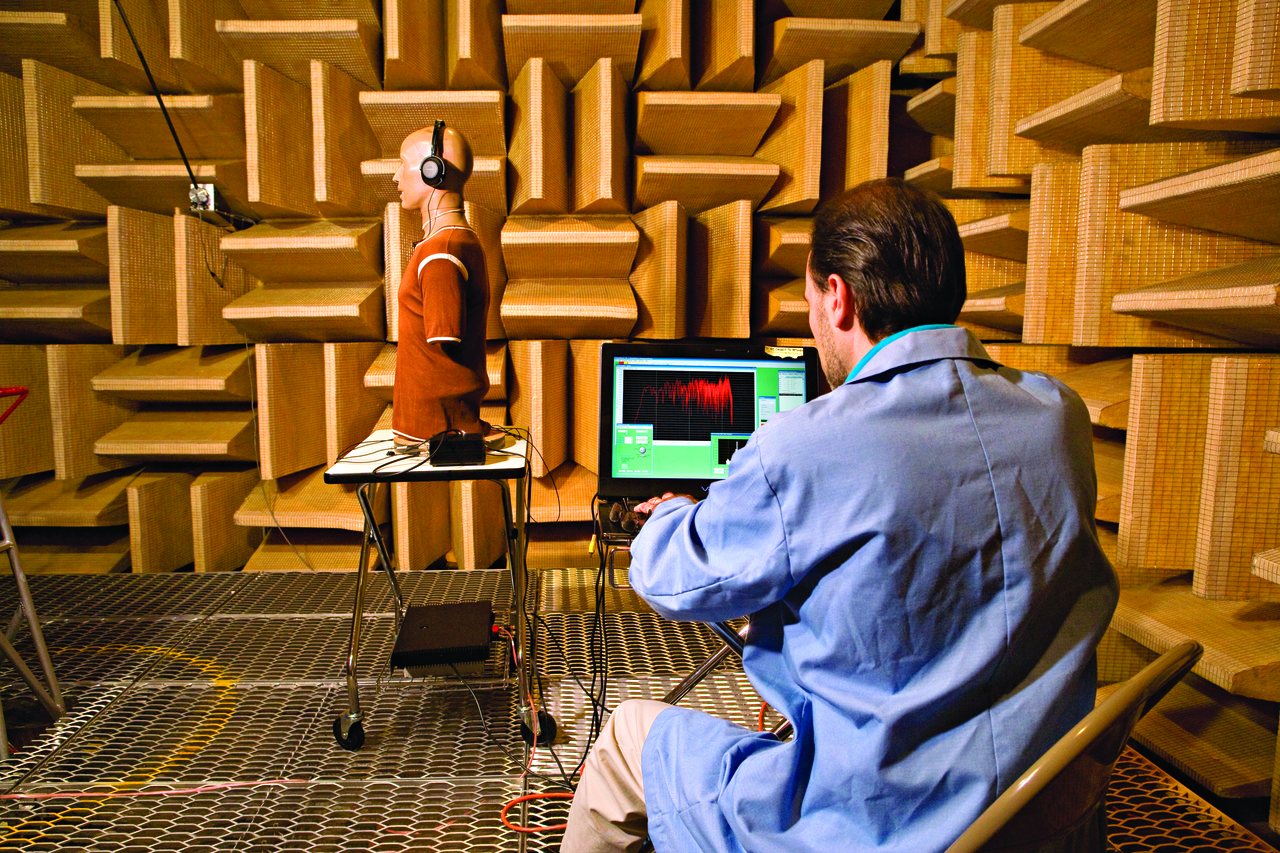
These days, people are becoming more conscious of their surroundings, especially noise pollution. In big cities, where human activity is constant — vehicular traffic, industrial operations, sound systems, and more — it becomes imperative to create solutions for controlling these invasive noises. The process of reducing sound pressure level, or sound in general, from one space to another is called soundproofing.
Types of Noises

In the construction industry, there are two main sources of noise: Airborne Noise and Structure-Borne Noise.
Airborne noises are those type of noises which are transmitted through the air medium. These noises travel in air and transverse to different forms of gaps. Consider air as water, and anything that is not properly sealed is mostly likely be the leaking point. This airborne noise can pass through windows, doors, electrical outlets, and even vents, ducts, and piping. Sound will pass in and out of these gaps in any form of openings in the wall, floor, and ceilings.
Structure-borne noise, on the other hand, is produced by the impact of an object hitting a surface or building element such as a wall, ceiling, or floor. The vibration caused by the impact travels through a solid medium and traverse on the other end as a form of sound. The best example of a structure-borne noise is the footsteps that you can hear on your ceiling if you’re living in an apartment.
The Art of Soundproofing
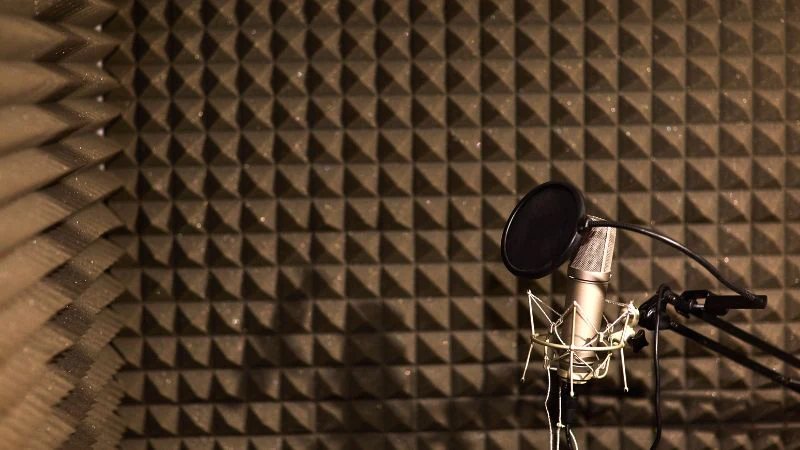
There are several ways in order to address these unwarranted sounds. For airborne noises, typical sound isolation measures being implemented to achieve a soundproof space is through the use of acoustic-rated sealants, perimeter seals, acoustic window inserts, and using products such as draperies and/or curtains. Structure-borne noise is mainly address by using building element treatments such as floating floors, underlayment, rockwool linings, acoustic ceilings, and using dampening materials such as vibration isolators, springs, and neoprene pads.
Aside from these, there is another sound isolation solution that can be generally used when soundproofing is being considered in a room/space – Increasing Structural Mass. This employs the use of thicker and denser structure making it more difficult for vibration to traverse. Most common methods of Increasing Structural Mass are by using high-density materials, increasing the framing and insulation, and implementing double-layer finishes.
Soundproofing in a sense is a relatively easy task. You can seal, dampen, and increase structural mass in order to achieve a room/space free from unwarranted sounds.